
How Local Contractors Can Outrank Huge National Chains Without a Massive Budget
In the home services industry, the landscape of 2026 looks vastly different than it did just a few years ago. We are no longer just fighting for the top spot on a static search results page; we are fighting for the “Zero Click” conversion in the Google Map Pack. For the average plumber, roofer, or HVAC specialist, the sight of a massive national franchise – backed by a multi-million dollar marketing budget – sitting at the top of the search results can be demoralizing. It feels like a rigged game where the deepest pockets always win.
But here is the reality: The giants are vulnerable. While national chains have massive brand authority, they suffer from a fatal flaw – they lack “local soul.” Their digital presence is often managed from a sterile corporate office thousands of miles away, relying on templates and automated systems that fail to resonate with the specific nuances of your neighborhood. Google’s 2026 algorithm updates have leaned heavily into “Local Intent,” and this is exactly where the agile local contractor can strike. You don’t need to outspend them; you need to out-localize them.
As an expert in SEO momentum for home service contractors, I’ve seen small, three-truck operations consistently beat out national household names. They do it by mastering google business profile seo and understanding that proximity and relevance are the great equalizers. In this guide, I’m going to show you the exact blueprint to take back your territory and dominate the local map pack.
The Three Pillars of Local Ranking: Relevance, Proximity, and Prominence
Before we dive into the tactics, you must understand the “Three Pillars” that Google uses to determine who gets the coveted top three spots in the Map Pack. In 2026, Google’s AI-driven search filters have become incredibly sophisticated at sniffing out “faked” local presence, which is why many national chains are actually seeing their rankings slip.
1. Relevance
Relevance is how well your business matches what someone is searching for. National chains often use broad, generic categories. A local contractor wins here by being hyper-specific. If someone searches for “emergency 24-hour pipe burst repair,” and your profile is optimized for that specific urgency while the national chain just says “Plumbing Services,” you win on relevance every time.
2. Proximity
This is the most powerful weapon in your arsenal. Google wants to provide the most convenient solution to the user. Even if a national franchise has 10,000 reviews, if your shop is two miles closer to the searcher and your google maps ranking service is dialed in, Google will often prioritize you. However, as we move through 2026, the “Proximity Purge” has tightened these radiuses, making it essential to prove you are active in the specific neighborhood of the searcher.
3. Prominence
Prominence is how well-known your business is in the digital world. This is where chains usually win, but you can bridge the gap. Prominence isn’t just about brand name recognition; it’s about the strength of your local citations, the quality of your reviews, and the consistency of your data across the web. By using professional local seo tools, you can build prominence that rivals the big guys without the corporate overhead.
Google Business Profile Optimization: The Local Secret Weapon
Your Google Business Profile (GBP) is no longer a “set it and forget it” directory listing. It is the heartbeat of your local lead generation. Many contractors make the mistake of thinking that just having a profile is enough. Meanwhile, national chains often manage hundreds of profiles using automated software that leaves the “Description” and “Posts” sections looking like corporate boilerplate.
To Climb Google Maps Rankings Seamlessly, you must treat your GBP like a social media platform. Keyword stuffing your business name is a one-way ticket to a suspension in 2026. Instead, focus on “Real Engagement.” Google tracks how long a user looks at your photos, whether they click the “Request a Quote” button, and how quickly you respond to messages.
Deep-Dive Optimization Tactics:
- Primary and Secondary Categories: Don’t just pick “Contractor.” If you are a roofer, your primary should be “Roofing Contractor,” but your secondary categories should include “Gutter Cleaning Service,” “Waterproofing Service,” and “Siding Contractor.”
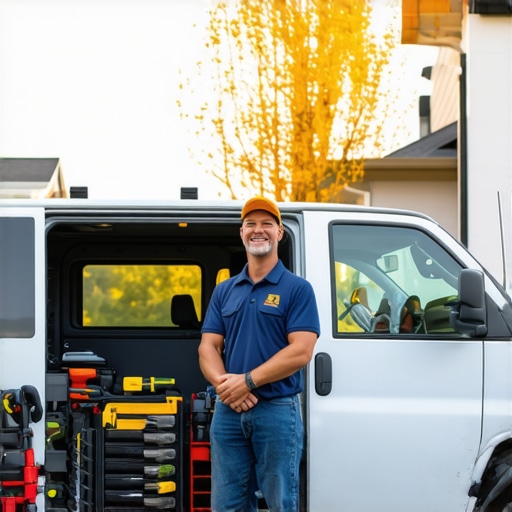
- The 2026 Photo Strategy: National chains use stock photos. You should use high-resolution, geo-tagged photos of your actual trucks, your team in uniform, and real “before and after” shots of projects in your city. This builds google business profile optimization that AI filters recognize as authentic.
- Q&A Section: Don’t wait for customers to ask questions. Seed your own Q&A section with the most common questions you get on sales calls. Use keywords naturally in these answers to boost your local seo for contractors.
By focusing on these granular details, you create a profile that is “stickier” than a generic franchise listing. When a homeowner sees a local face and a local address, the psychological trust factor shifts in your favor immediately.
Hyperlocal Content & The “Service Area” Advantage
National chains hate the “Service Area” model because it’s hard to scale. They want one big website that covers the whole country. You, however, can go deep into the weeds of your specific service area. This is the essence of hyperlocal seo.
Instead of having one “Services” page, you should have dedicated “City Landing Pages.” If you are a plumber in Austin, you shouldn’t just target “Austin Plumber.” You should have pages for “Plumbing Services in Round Rock,” “Emergency Water Heater Repair in Pflugerville,” and “Drain Cleaning in West Lake Hills.”
How to Build Hyperlocal Authority:
Each of these pages needs to be more than just a keyword swap. To build true google business profile authority, your content should mention local landmarks, specific neighborhood names, and even local weather patterns that affect your trade (e.g., “How the 2026 freeze in North Dallas affected local PVC piping”).
This level of detail is something a national chain’s marketing department simply won’t do. They use templates. You use local expertise. When Google’s crawlers see you mentioning the high school football stadium or the local historic district on your service pages, it reinforces your proximity signal. This is why Why Nearby Roofers Are Stealing Your Leads Even With Fewer Reviews – they are proving to Google that they are more relevant to that specific street corner than a giant corporation.
The Psychological Trigger of Reviews
We all know reviews are important, but in 2026, the “Review Game” has changed. It’s no longer just about the quantity of stars; it’s about velocity, diversity, and keywords.
A national chain might have 2,000 reviews, but if they haven’t received a new one in three weeks, their “velocity” is low. If you get three high-quality reviews every single week, Google views your business as more “active” and relevant. This is where a dedicated google review strategy becomes a competitive advantage.
The “Keyword-Rich” Review Tactic
Google’s AI now reads reviews to understand what services you actually provide. When a customer leaves a review saying, “Great job!”, it helps a little. When a customer leaves a review saying, “The team at [Your Business] did an amazing job with our tankless water heater installation in Downtown Orlando,” it helps a lot. You should encourage your customers to mention the specific service and their neighborhood in their feedback.
Furthermore, your response to these reviews is a ranking signal. Don’t just say “Thanks!” Use these 5 Review Response Habits That Actually Help Your Map Rank to ensure you are squeezing every bit of SEO value out of every customer interaction. Mentioning the service again in your response (e.g., “We were so happy to help with your emergency roof leak repair!”) reinforces your gmb ranking service efforts.
Advanced Technical Edge: Schema & Embeds
If you want to truly rank higher on google maps, you need to bridge the gap between your website and your GBP. This is where the “Advanced Technical Edge” comes in. Most local contractors ignore the technical side, and most national chains over-complicate it.
The Local Schema Move
Schema markup is a piece of code that tells search engines exactly what your data means. Using “LocalBusiness” schema on your website allows you to explicitly tell Google your address, phone number, service area, and even your specific GPS coordinates. This removes any “guesswork” for the algorithm. When your website data perfectly matches your GBP data, your google business profile seo gets a massive boost in trust.
The Simple Map Embed Trick
One of the most overlooked local map pack seo tactics is embedding your actual Google Maps CID link on your contact page and your city landing pages. This creates a “backlink” of sorts from your website directly to your map pin. It signals to Google that this website and this specific map location are one and the same, strengthening your geo targeted seo.
Additionally, ensure your “NAP” (Name, Address, Phone Number) is consistent across every single citation building service you use. Even a slight variation (like “Street” vs “St.”) can cause a “ranking stall” where Google isn’t 100% sure of your location’s validity.
Troubleshooting the “Proximity Purge” and AI Filters
As we navigate 2026, Google has introduced more aggressive filters to prevent “spam” in the map pack. This has led to what many call the “Proximity Purge,” where businesses that used to rank in a 20-mile radius are now only appearing in a 5-mile radius. This hit national chains hard because they often rely on one central office to cover massive territories.
To combat this, you must focus on google business profile authority. If Google sees that users are frequently searching for your brand name specifically, or if they see a high volume of “Directions” requests to your office, they will expand your ranking radius. They view you as a “Destination Business.”
If you find your rankings dropping, it may be due to “Verification Loops” or AI-driven audits that are hiding your shop because of “Messy Business Citations.” If you are seeing a decline, you need to Stop 2026 Phone Lead Drops With 4 GMB Boost Services that focus on cleaning up your digital footprint and verifying your data through official channels. Google maps lead generation is a game of precision, not just volume.
Conclusion: Out-Localizing the Competition
Outranking a national chain isn’t about having a bigger budget; it’s about having a bigger presence in the community – both physically and digitally. The giants are slow, bureaucratic, and generic. You are fast, local, and specialized.
By focusing on google business profile optimization, creating hyperlocal content that speaks to your neighbors, and maintaining a high-velocity google review strategy, you can create a moat around your business that no corporate budget can breach. Google wants to show the most relevant, local result to its users. If you prove that you are the local authority, the algorithm will reward you with the leads you deserve.
Don’t let the big brands intimidate you. Audit your profile today, start posting real photos of your work, and use the right local seo tools to automate your growth. The Map Pack is yours for the taking.
This post really hits on the crucial difference between big chains and local contractors: authenticity and local expertise. I’ve seen firsthand how hyperlocal SEO efforts, like creating city-specific landing pages and leveraging local landmarks, can make a noticeable impact on rankings. It’s interesting that even small businesses can outperform national brands by focusing on genuine customer engagement and detailed local content. I’m curious, should smaller contractors prioritize even more local partnerships or sponsorships to boost prominence and reviews? Personally, I’ve found that building community relationships not only aids in review velocity but also enhances overall local relevance, making Google trust your presence even more. Have any other contractors experimented with proactive community engagement strategies alongside local SEO? I’d love to hear success stories or additional tactics that have worked in real-life scenarios.
What really stood out to me in this post is the emphasis on hyperlocal SEO and the importance of creating city-specific landing pages. Having worked with a few local HVAC contractors, I’ve seen how personalized content mentioning local landmarks, neighborhood names, and even weather patterns can significantly enhance relevance and proximity signals for Google. It’s these small but strategic details that give smaller businesses a real edge over cookie-cutter national chains, especially as Google’s algorithms get smarter at detecting artificial local presence.
One challenge I often hear is maintaining fresh, relevant content for multiple neighborhoods without feeling overwhelmed. Has anyone found efficient ways to automate or streamline this process, perhaps through templates or localized content strategies, while still keeping it authentic? I believe that consistent, high-quality hyperlocal content can really build authority and trust in the community, leading to more reviews and better prominence over time. Would love to hear from others about how they manage their city landing pages and hyperlocal efforts effectively.
This article hits on some crucial points that often get overlooked by local contractors trying to compete with big chains. I’ve personally seen how hyperlocal content, especially mentioning neighborhood landmarks and local events, can really turn the tide in Google Maps rankings. It’s about showing Google and potential clients that you’re embedded in the community, not just another generic service provider.
One thing I’ve found tricky is maintaining a consistent stream of high-quality, localized reviews that include keywords naturally. The velocity and diversity of reviews seem to matter just as much as the number. Have others here experimented with incentivizing reviews in a way that stays compliant but keeps that momentum going? Also, I would love to hear thoughts on how contracting businesses can effectively use schema markup without getting overwhelmed—what’s worked best for you? Overall, the focus on technical and content strategies makes this a comprehensive guide for small businesses aiming to level the playing field.
This article really resonates with me, especially the emphasis on hyperlocal content and optimizing your Google Business Profile beyond just the basics. I’ve seen firsthand how mentioning specific local landmarks and neighborhood names on your service pages can boost relevance in Google’s eyes, which is crucial given the tightening algorithms in 2026. What has been your experience with maintaining an up-to-date Q&A section? I’ve struggled with keeping it relevant without it sounding repetitive. Also, the map embed trick is something I plan to test—embedding your actual map directly on your website helps strengthen that geo connection. I’m curious, how do others handle the challenge of creating enough hyperlocal content without it becoming overwhelming? Do you use automation tools or strategy templates to stay consistent? Ultimately, the key seems to be blending authentic local knowledge with strategic SEO tactics to build authority and trust in your community.
This post really hits home on the importance of hyperlocal SEO, especially the part about creating dedicated city landing pages. I’ve seen firsthand how including local landmarks and neighborhood-specific terms can genuinely boost relevance signals in Google’s algorithm. The challenge, of course, is keeping all these pages fresh and relevant without overwhelming your team. I’ve started using a content calendar and templated updates for different neighborhoods, which helps keep the content authentic and manageable. Has anyone found other effective ways to balance hyperlocal content creation with daily operations? Also, I’m curious about schema markup—while it sounds effective, I’d love to hear from those who’ve implemented it successfully and avoided common pitfalls. Overall, this comprehensive approach to local SEO underscores that small, agile contractors can truly compete by leveraging community-specific strategies and technical optimization.
This post has truly nailed the importance of hyperlocal SEO and the strategic elements needed to beat big national chains. From personal experience, I’ve seen how emphasizing local landmarks and neighborhood details on landing pages boosts Google’s relevance and trust signals. It’s these micro-local signals that can give your business a considerable advantage, especially when competitors rely solely on broad keywords and stock images.
One challenge I face is keeping these city-specific pages updated without overwhelming my team. Automating updates through templates and localized snippets has helped, but I’d love to hear how others strike the balance between automation and authenticity. Additionally, schema markup seems like a game-changer if implemented correctly. Has anyone here successfully avoided common pitfalls while integrating local schema? Overall, leveraging hyperlocal content and technical SEO seems like the most effective way for small contractors to establish authority and dominate in local searches. Curious to know if others have tested these tactics and seen tangible results in their markets.