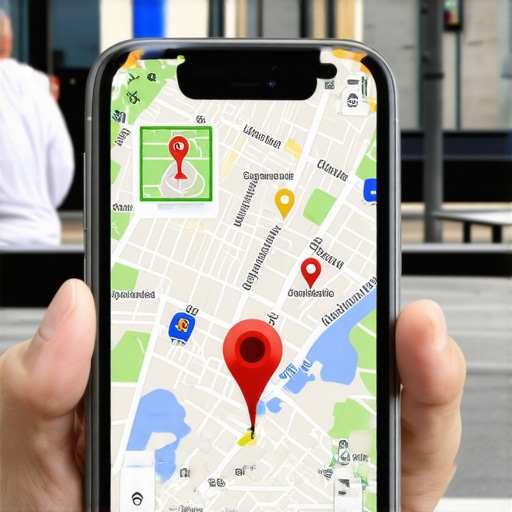
Why Your Map Pin Suddenly Dropped and How to Get It Back
It is 7:00 AM on a Tuesday. You open your laptop, perform a routine search for your primary service – perhaps “plumber near me” or “emergency dentist” – and your heart sinks. Where you used to see your business proudly sitting in the top three of the Google Map Pack, there is now a void. You scroll. You click “View All.” You find your business buried on page three, sitting at position 24. The phone isn’t ringing, the dashboard is quiet, and your lead flow has effectively evaporated overnight.
As a Local SEO specialist, I see this “ranking hemorrhage” frequently. Business owners often feel like they’ve been targeted by a personal vendetta from the algorithm, but the reality is more clinical. In the world of google business profile seo, rankings do not drop without a catalyst. Whether it is a technical glitch, a competitor’s aggressive play, or a broad algorithmic shift, your pin dropped for a specific, diagnosable reason. If you find yourself in this position, you might be wondering why your business pin disappeared despite a local maps boost in the past.
The “Overnight Drop” nightmare became a widespread reality following the August 26, 2025 Spam Update. This specific update was a surgical strike against global spam signals, but it also caught thousands of legitimate local businesses in its net. When Google’s automated systems detect a shift in your profile’s data – or when the goalposts of the algorithm itself move – your visibility is the first casualty. To get your pin back, we must move past panic and into the diagnostic phase.
The 2025-2026 Algorithm Landscape: The Proximity Purge
The local search environment has undergone a radical transformation over the last 18 months. In 2025 alone, Google deployed three major core updates and one devastating spam update. However, as we move through 2026, we are witnessing what I call the “Proximity Purge.”
For years, businesses could “stretch” their rankings across an entire city through strong backlinking and review signals. That era is ending. Google is now tightening the leash on service-area businesses (SABs) and storefronts alike. The 2026 algorithm prioritizes a hyper-local radius, often favoring a business that is two blocks away over a more “prominent” business that is two miles away. This shift is designed to serve the user’s immediate convenience above all else.
Central to this shift is the full integration of Gemini AI within Google Maps. We are no longer dealing with a simple keyword-matching engine; we are dealing with a predictive AI navigation tool. Gemini-powered search filters now analyze “intent-based proximity.” For example, if a user is searching for a coffee shop while on a specific transit route, Google may prioritize shops directly on that path, even if they have lower overall ratings. This AI-driven “Smarter Route Planning” is now a covert ranking factor that many traditional SEOs are ignoring. If you aren’t adapting, you are likely experiencing the 2026 radius drops that are currently thinning out the Map Pack.
The Diagnosis: Why You Actually Dropped
Before you can apply a cure, you must identify the disease. My diagnostic process for a dropped pin involves checking four critical pressure points that the 2026 algorithm frequently targets.
1. The Proximity Filter & “Ghosting”
If your competitors are suddenly outranking you despite having fewer reviews and worse websites, you’ve likely been hit by the Proximity Filter. Google has decided that your physical location is no longer the “best” answer for the user’s specific coordinates. This is often exacerbated by “centroid” shifts, where Google re-evaluates the center of a business district or service area.
2. The “Ineligible” Tag and AI Audits
Google’s AI now performs automated audits of your storefront photos and street view data. If the AI detects that your signage doesn’t match your business name, or if your “office” looks like a residential home or a virtual space, it may silently flag your profile as “Ineligible” for top-tier rankings. You won’t get a notification; you’ll just see your rank drop. Using a google business profile audit tool is the only way to see what the AI sees before it’s too late.
3. Verification Loops and Shadowbans
Sometimes, a drop isn’t an algorithm issue; it’s a technical “loop.” Google may have triggered a re-verification request that didn’t reach your dashboard properly. This leaves your profile in a state of limbo – visible, but suppressed. This is a common precursor to a full suspension. If you’re stuck, you need to know how to recover a suspended Google Business Profile quickly.
4. NAP Inconsistency & Trust Erosion
The 2025 updates placed a premium on “Consensus Data.” If your Name, Address, and Phone number (NAP) are inconsistent across the web – on Yelp, Facebook, local directories, or even your own footer – Google loses trust in your location’s validity. In 2026, “messy” citations act like an anchor on your rankings.
The Recovery Roadmap: Reclaiming Your #1 Spot
To rank higher on google maps after a drop, you cannot simply repeat what worked in 2022. You need a 2026-ready recovery plan. Follow these four steps to signal to Google that your business is relevant, prominent, and trustworthy.
Step 1: Audit and Refine Your Categories
Following the March 2025 category update, Google refined how primary and secondary categories interact. Many businesses are still using outdated primary categories that now have lower “relevance weight.” Ensure your primary category is the most specific one available. If you are a “Family Dentist,” don’t just settle for “Dentist.” This precision is a core component of modern google business profile seo.
Step 2: Pivot from Keyword Stuffing to Real Engagement
The era of “Keyword in Business Name” is dying. Google’s AI now detects when a name is artificially inflated. Instead, focus on Engagement Signals. Google measures how many people click “Directions,” how many call from the profile, and how long they spend reading your updates. High engagement tells the algorithm that users find your profile useful, which can override proximity penalties.
Step 3: Deploy High-Resolution Geo-Tagged Media
One of the fastest ways to fix a “proximity drop” is to prove your physical presence. Stop using stock photos. Upload 5-10 high-resolution photos weekly that are taken on-site with GPS metadata enabled. When you upload a photo that is digitally “stamped” with your business coordinates, you are providing the AI with hard evidence of your location, boosting your google business profile optimization efforts instantly.
Step 4: Review Velocity and Semantic Content
Getting 100 reviews at once and then nothing for three months is a red flag. You need “Review Velocity” – a consistent stream of feedback. Furthermore, encourage customers to mention specific services and locations in their reviews. When a customer writes, “Best emergency roofing in North London,” they are providing semantic proof that helps you rank google business profile for those specific long-tail keywords.
Advanced Tactics for 2026: Future-Proofing Your Profile
Once you’ve stabilized your rankings, you must build a moat around your position. The most effective way to do this in the Gemini AI era is through Local Schema Markup and Google Maps Embeds.
Local Schema is a piece of code on your website that tells search engines exactly what your business is, where it is, and what it does in a language they understand perfectly. When your website’s Schema matches your Google Business Profile data, it creates a “Trust Loop” that is very difficult for competitors to break. Additionally, embedding your specific Google Map pin on your “Contact Us” and “Service Area” pages provides a direct link between your web traffic and your map entity. This strategy is essential for any business looking to maintain a google maps ranking service level of performance internally.
When to Hire a GMB Ranking Service
DIY recovery is possible for minor drops, but some issues are too complex for a business owner to handle while running a company. If you are stuck in a verification loop, facing a “shadowban” where you simply cannot rank for your own name, or dealing with a sophisticated competitor using “black hat” tactics to push you down, it is time for professional intervention.
A professional gmb ranking service has access to advanced diagnostic tools and direct lines of communication that the general public does not. However, before you sign a contract, you must know what to ask before you hire a GMB SEO expert. You need a partner who understands the 2026 algorithm, not someone still selling 2018 tactics.
Conclusion: Don’t Panic, Optimize
A sudden drop in your Google Maps ranking is not the end of your business, but it is a loud, clear signal that your current strategy is no longer compatible with the algorithm. The “Proximity Purge” and AI-driven filters of 2026 require a more technical, data-driven approach to Local SEO.
Whether you choose to perform a deep audit yourself using SEO Viper Tools or you decide to bring in an expert to rescue your rankings, the key is speed. The longer your pin remains dropped, the more data Google collects about your “lack of relevance.” Reclaim your spot, re-engage your customers, and turn the calls back on.
This post really hits home for anyone who’s dealt with sudden drops in local search rankings. I agree that Google’s shift towards hyper-local and AI-driven relevance can feel overwhelming, especially with the proximity focus and ghosting issues. The tip about geo-tagged photos is especially practical; I’ve seen a noticeable uptick in visibility when consistently updating location-based images. From my experience, maintaining NAP consistency across all platforms is often underestimated but crucial after these algorithm shifts. Have others found that enhancing their schema markup made a significant difference in recovery? It seems like a strategic move that can really safeguard rankings long-term, especially when paired with embedding maps on high-traffic pages. Would love to hear how others are tackling the recent updates—any creative approaches or tools that have worked well to stay ahead in this evolving landscape? Reassessing categories and boosting engagement through reviews clearly remains essential too, now more than ever.
This article really highlights how rapidly local SEO dynamics are evolving, especially with the integrating of Gemini AI into Google Maps. I’ve personally noticed how geo-tagged images and consistent NAP updates significantly influence local rankings, especially after sudden drops. The emphasis on high-precision categories resonates with me because I’ve seen many clients suffer from outdated or broad category choices that dilute relevance. One thing I’ve been exploring is leveraging advanced schema markup not just for trust signals but also to reinforce the business’s core offerings in tandem with Google Maps embeds. Has anyone found that combining schema strategies with targeted review campaigns really solidifies rankings in this AI-driven era? It seems like a layered approach—balancing technical SEO and engagement signals—is becoming the new standard for future-proofing local SEO success. I’m curious what tools others are using to track the evolving proximity filters and AI audits in real-time, to adjust strategies proactively.
This article really sheds light on just how complex local SEO has become in recent times. I’ve noticed that in highly competitive markets, especially where proximity filters are tight, even slight improvements in geo-tagging and local signals can lead to noticeable ranking shifts. We’ve started combining high-res, GPS-tagged photos with strategic schema markup on our client websites to create a stronger trust loop. The fascinating part is the AI’s ability to analyze context, like transit routes or nearby landmarks, which means we have to be more precise and proactive with our media and data. Has anyone experimented with real-time local news or event integrations to boost relevance, especially during this proximity crackdown? I think that staying ahead requires a multi-layered approach—merging technical optimizations with active review management and local content. I’d love to hear how others are balancing these tactics to manage the ongoing AI adjustments effectively.
This post really brings home how critical it is to stay proactive with local SEO strategies, especially with the AI-driven shifts in 2026. I’ve seen firsthand how geo-tagged media and precise category selection can reverse a drop in rankings once the proximity filter is tightened. One thing that stood out to me was the emphasis on high-resolution, GPS-stamped photos—these can be game-changers in proving physical presence and re-establishing relevance. Our team recently started embedding Google Maps directly into our clients’ websites, and the results have been promising—more consistent visibility and engagement. I do wonder, though, how much impact local schema markup alone can have in such a competitive, AI-influenced landscape. Has anyone experienced notable success combining schema strategies with targeted review campaigns or map embed tactics? It seems like a multi-layered approach is becoming the standard to protect and grow rankings.
This article provides a crucial reminder that local SEO isn’t static; it constantly evolves, especially with AI integrations like Gemini. I’ve experienced how high-quality geo-tagged images and consistent NAP updates can make a tangible difference in rural or less densely populated areas, where proximity plays an even bigger role. I’m curious, how are others balancing the need for hyper-specific categories with broad service offerings? Do you find that overly narrow categories limit your visibility in adjacent zones or nearby neighborhoods? Also, I’ve started experimenting with embedding Google Maps on every service page—seems to enhance trust signals and help reinforce relevance, but the impact varies across platforms. For those who have faced shadowbans or verification loops, what quick fixes have you found most effective before engaging more advanced strategies? Would love to hear about your experiences and any tools or tactics that are proving successful in navigating 2026’s more complex landscape.
Reading through this in-depth analysis really emphasizes how dynamic local SEO has become, especially with recent AI integrations like Gemini. I’ve noticed that consistency in high-quality, geo-tagged photos combined with a precise, niche-specific primary category can make a tangible difference in competitive markets. In the past, broad categories diluted relevance, but now it seems Google favors exact matches that tie directly to the actual service area. I’ve also started embedding Google Maps on several client pages, which seems to support stronger local signals, but I wonder—how effective are local schema markup efforts in actually boosting rankings long-term? Has anyone seen clear, measurable improvements after implementing schema or map embeds? I believe that as Google’s AI gets smarter, our strategies must evolve into more layered and technical ones, like schema, combined with active review management. It’s an ongoing challenge, but a fascinating shift in how local visibility is fought for.
This post sheds a lot of light on the complex factors behind sudden drops in Google Map rankings, especially with the new AI and proximity-focused updates. I’ve encountered situations where simply updating geo-tagged photos and ensuring consistency in NAP data made a visible difference in recovery. The part about the AI audits of storefront signage and street view data really rang true—I’ve had clients who had to revisit their images to match business names and signage precisely. I’ve also found that embedding maps and leveraging local schema markup definitely help reinforce relevance, but it’s tough to quantify the long-term benefits compared to active review management. Have others experienced better results combining schema and map embeds with review velocity campaigns? It seems like a multi-layered strategy is now essential to stay ahead of these AI-driven changes. I’d also love to hear if anyone has tried some innovative tactics to adapt during this proximity tightness period. What’s been most effective for you all in maintaining local visibility amid these shifts?
This article really hits the nail on the head regarding the importance of geo-specific efforts in today’s hyper-local AI-driven environment. I’ve personally seen how high-res, GPS-tagged photos can dramatically establish location relevance and help reverse a drop—especially when Google’s proximity filters tighten. One tactic I’ve found effective is combining map embeds on crucial service pages with schema markup; this creates an integrated trust loop that can make a real difference in competitive markets. Has anyone experimented with using local event or news updates directly on their Google profile, in combination with these technical strategies? I’m curious whether real-time relevance boosts help combat AI adjustments in ranking. Overall, I think the layered approach is the way forward—balancing on-site content, structured data, and active review engagement seems essential to stay ahead. Would love to hear others’ experiences with innovative tactics to keep pace with these rapid AI and proximity changes.
The article really emphasizes how critical geo-specific tactics like GPS-tagged photos and map embeds have become in the new AI-driven local search landscape. I’ve found that combining high-quality, geo-tagged images with regular review updates and schema markup creates a powerful synergy. It seems like hyper-local relevance is no longer just a benefit but a necessity, especially with Gemini AI analyzing location intent so precisely now. One thing I wonder from others who’ve been managing these changes: how are you effectively balancing technical SEO tactics like schema with genuine engagement signals, such as reviews and customer interactions? I believe it’s these layered approaches that will really help mitigate proximity and ghosting issues, but finding the right mix can be tricky. Has anyone experimented with integrating local news or event updates directly into their profiles or websites to boost real-time relevance? I’d love to hear what’s working in this ever-evolving environment.